



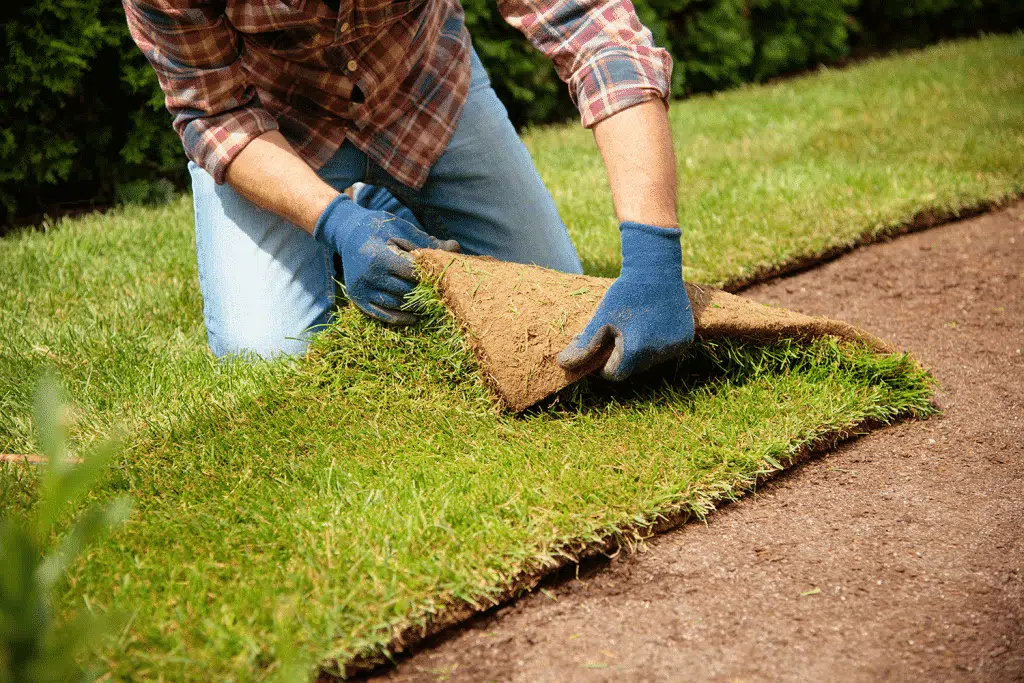
A healthy, vibrant lawn instantly boosts curb appeal and makes your outdoor space feel polished and inviting. But growing a lawn from seed can take months—and often leads to patchy, uneven results. That’s why so many homeowners turn to sod installation services when they want a new lawn quickly, cleanly, and professionally.
Sod gives you instant grass with uniform color, density, and coverage. Whether you're replacing a damaged lawn or installing brand-new turf in a fresh landscape, here’s everything you need to know.
Why Homeowners Choose Sod Installation Over Seeding
Sod offers several major advantages that seed simply can’t match:
✔ Instant Lawn
You get mature, green grass the same day it's installed.
✔ Fewer Weeds
Sod creates a dense barrier that prevents weed growth.
✔ Immediate Erosion Control
Perfect for slopes or areas where rain washes soil away.
✔ Better Uniformity
No bare spots or inconsistent growth.
✔ Faster Usability
Most sod is ready for light use in a couple of weeks.
✔ More Reliable Results
Seed depends heavily on weather—sod doesn’t.
Sod is the fastest way to get a thick, professional-quality lawn.
Best Types of Sod for Residential Properties
The right sod depends on your sun exposure, soil type, and maintenance preferences.
1. Fescue Sod (Cool-season, shade-tolerant)
Perfect for partial shade and cooler climates.
Benefits:
- Soft texture
- Stays green year-round
- Handles light foot traffic
2. Kentucky Bluegrass Sod
Known for its rich color and dense growth.
Benefits:
- Fast recovery from damage
- Beautiful fine blades
- Great for active yards
3. Bermuda Sod (Warm-season, sun-loving)
Ideal for full-sun properties.
Benefits:
- Extremely durable
- Great for families and pets
- Handles heat very well
4. Zoysia Sod
Combines beauty with low maintenance.
Benefits:
- Tolerates shade and heat
- Soft, carpet-like texture
- Thick, weed-resistant growth
Signs You Need Professional Sod Installation
Most homeowners begin searching when they notice:
- Dead or brown patches
- Thin, weak grass
- Soil erosion or bare dirt
- Weed takeover
- Grubs or pests destroying turf
- Poor drainage causing muddy spots
- Lawn that never grows evenly
A fresh sod installation restores your lawn instantly and permanently.
How Sod Installation Works (Step-by-Step)
Professional sod installation ensures long-lasting, healthy results.
1. Consultation & Lawn Evaluation
The team assesses soil condition, sunlight, grading, and yard layout.
2. Removal of Old Grass
Old turf, weeds, and debris are cleared for a clean foundation.
3. Soil Preparation
Healthy soil is the key to healthy sod. This includes:
- Tilling
- Adding topsoil if needed
- Leveling uneven areas
- Ensuring proper grading for drainage
4. Sod Delivery & Installation
Fresh sod rolls are installed tightly and evenly.
Key benefits of professional installation:
- Straight lines
- No gaps
- Perfect alignment
- Uniform seams
5. Watering & Rolling
The sod is watered and rolled to ensure strong root contact.
6. Post-Installation Care Guidance
Homeowners receive simple instructions for watering and initial maintenance.
A properly installed lawn looks beautiful from day one and stays healthy long-term.
How Long Does Sod Take to Root?
You can expect:
✔ 2 weeks: Initial root establishment
✔ 4–6 weeks: Fully rooted and ready for regular use
✔ 2–3 months: Deep root development for durability
Following watering recommendations is essential for quick rooting.
Tips for Maintaining Your New Sod Lawn
To keep your sod looking great:
✔ Water deeply and consistently for the first few weeks
Sod must stay moist while rooting.
✔ Avoid heavy foot traffic
Give it time to establish.
✔ Don’t mow too early
Wait until the grass is about 3–4 inches tall.
✔ Fertilize after 4–6 weeks
Helps strengthen the root system.
✔ Ensure proper drainage
Avoid puddling or oversaturation.
Professional installation + proper maintenance = long-lasting beauty.
Why Professional Sod Installation Services Matter
Sod is an investment—and proper installation prevents costly problems such as:
- Uneven seams
- Poor rooting
- Dead patches
- Sod lifting or shifting
- Water pooling
- Long-term health issues
Professionals ensure:
✔ Correct soil prep
✔ Leveling & grading
✔ Tight seam installation
✔ Right sod type for your yard
✔ Long-lasting root systems
DIY sod often fails—but professional sod thrives.

Ready to Transform Your Backyard?