



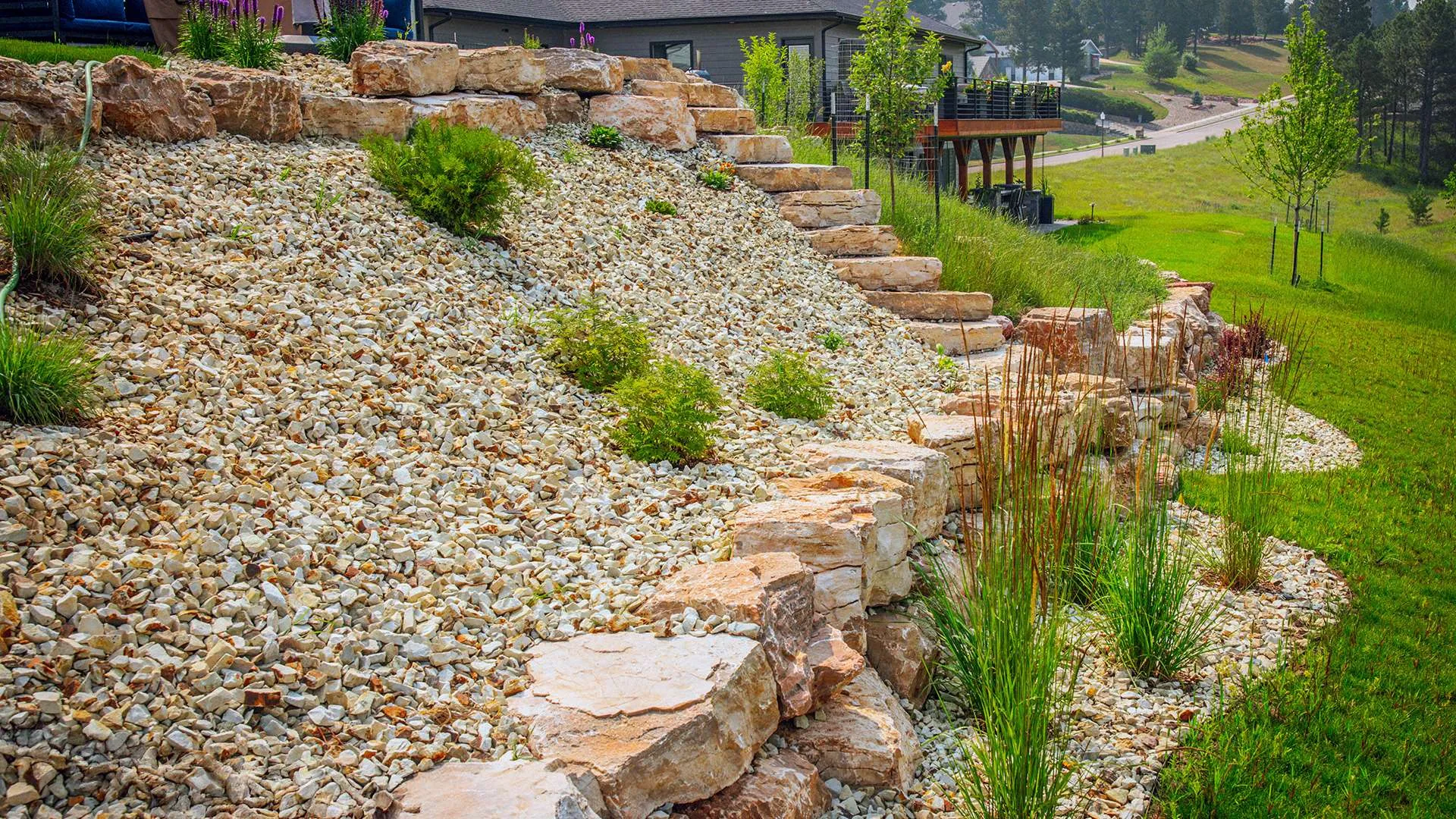
If your yard slopes, experiences erosion, or has areas that feel unusable, a professionally built retaining wall installation can completely transform your outdoor space. Retaining walls add structure, prevent soil movement, and create level areas for patios, gardens, play spaces, or walkways. They’re both functional and beautiful—making them one of the most valuable landscape upgrades for homeowners.
Here’s what you need to know about retaining walls, how they work, and why proper installation is essential.
Why Homeowners Need Retaining Wall Installation
Retaining walls solve multiple common yard problems:
✔ Prevents Soil Erosion
Stops soil from washing away during rain or storm runoff.
✔ Creates Usable, Level Spaces
Perfect for patios, gardens, or outdoor living zones.
✔ Adds Structural Support
Protects your property from shifting soil and landscape collapse.
✔ Manages Water Flow
Keeps water from pooling in unwanted places.
✔ Solves Slope & Grading Issues
Improves accessibility and safety in uneven yards.
✔ Enhances Curb Appeal
Adds dimension, texture, and architectural beauty.
Retaining wall installation provides long-term protection while improving the look and layout of your yard.
Signs You Need a Retaining Wall
Homeowners often begin searching for retaining wall installation when they notice:
- Sloping areas washing away
- Soil erosion after storms
- Pooling water in the yard
- Exposed tree roots
- Cracked or shifting landscape edges
- A hill or slope taking up usable space
- Difficulty installing patios or walkways due to uneven ground
If your property has any of these issues, a retaining wall is a smart, long-lasting solution.
Best Materials for Retaining Wall Installation
Luxe Landscaping builds retaining walls using durable materials designed to last decades.
● Concrete Block Retaining Walls
Strong, uniform, and versatile—ideal for modern homes.
● Natural Stone Retaining Walls
Beautiful, timeless, and perfect for high-end landscape designs.
● Boulder Retaining Walls
Rustic, bold, and incredibly strong—great for large slopes.
● Timber Retaining Walls
Warm and natural, but usually best for lighter-duty projects.
● Paver Retaining Walls
Blends perfectly with patios and walkways for a cohesive look.
Each material offers different strengths depending on your soil, slope, and landscape design goals.
Popular Retaining Wall Design Ideas
Retaining walls don’t just solve problems—they elevate the entire outdoor aesthetic. Homeowners love:
✔ Multi-tier terraces
Great for sloped properties that need structure.
✔ Built-in seating walls
Perfect for patios, fire pits, and entertainment areas.
✔ Planting pockets & raised garden beds
Adds beauty and greenery to structural walls.
✔ Curved retaining walls
Softens the look and adds custom appeal.
✔ Integrated lighting
Creates a high-end look and nighttime safety.
These design features turn functional walls into stunning landscape elements.
What Retaining Walls Can Be Used For
Retaining wall installation is ideal for:
- Patios and outdoor living areas
- Sloped backyard terraces
- Walkway or driveway edges
- Raised flower beds
- Fire pit seating areas
- Leveling areas for playsets or pools
- Protecting home foundations
- Decorative property borders
A well-designed wall brings structure and beauty to any part of your property.
The Professional Retaining Wall Installation Process
Building a retaining wall requires expertise—especially when supporting soil or preventing erosion. Luxe Landscaping follows a detailed process:
1. Site Evaluation & Measurements
Check slope, soil type, drainage flow, and retaining height.
2. Excavation & Base Preparation
A deep, compacted base is essential for wall strength.
3. Structural Construction
Install blocks, stone, or boulders with proper reinforcement.
4. Drainage Integration
Add drainage pipes, gravel backfill, and water escape routes.
5. Backfilling & Compaction
Ensures the wall holds firm without shifting.
6. Finishing Touches
Caps, lighting, landscaping, or steps added as needed.
7. Final Inspection
Guarantees long-term stability and a flawless appearance.
This process ensures your retaining wall stands strong for decades.
Why Professional Installation Matters
A poorly built retaining wall can collapse, crack, or cause significant property damage. Professional installation ensures:
✔ Correct engineering and load support
✔ Proper drainage (the #1 cause of wall failure)
✔ Long-term structural integrity
✔ Materials matched to soil conditions
✔ A stable foundation that prevents movement
✔ Clean craftsmanship and seamless design
DIY retaining walls often fail—proper installation protects your home and investment.

Ready to Transform Your Backyard?