



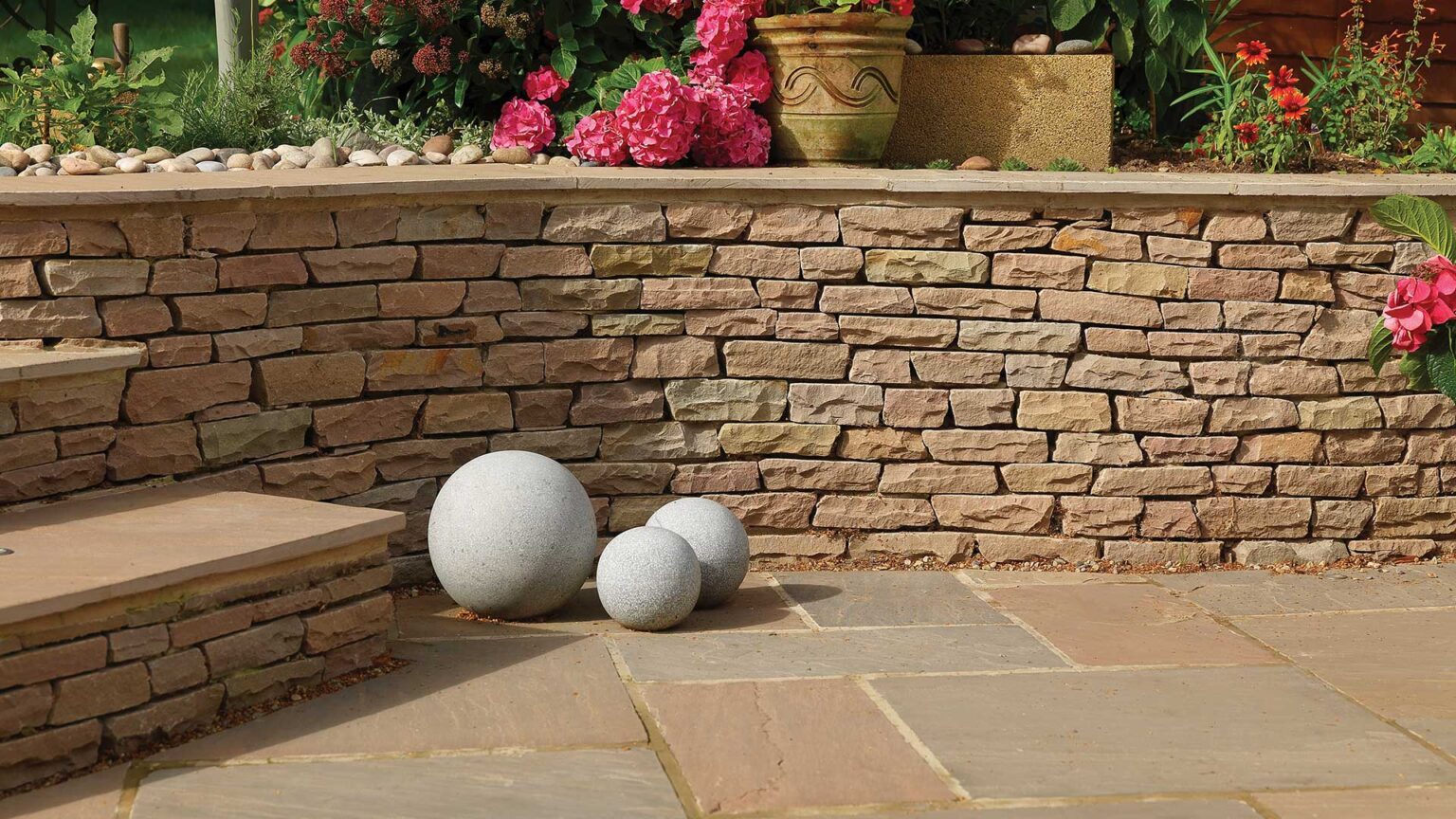
Many homeowners struggle with uneven yards, soil erosion, or landscaping that feels unorganized. One of the most effective solutions is installing a retaining wall. With the right retaining wall ideas, you can transform sloped or difficult areas of your yard into stable, functional, and visually appealing outdoor spaces.
Retaining walls not only support soil and control drainage but also add structure and design to your landscape. When planned properly, they can completely change the layout and usability of your yard.
Why Homeowners Install Retaining Walls
Retaining walls are both functional and decorative landscape features.
Prevents Soil Erosion
Helps hold soil in place during heavy rain or storms.
Improves Drainage
Directs water flow and protects landscaping from damage.
Creates Usable Outdoor Space
Turns sloped areas into flat sections for patios, seating, or landscaping.
Enhances Landscape Design
Adds dimension, depth, and structure to outdoor spaces.
Increases Property Value
Professionally built retaining walls improve curb appeal and long-term landscape durability.
Retaining walls are especially helpful for homes with uneven terrain.
Popular Retaining Wall Design Ideas
Homeowners can choose from several retaining wall styles depending on their landscape goals.
Natural Stone Retaining Walls
Natural stone walls offer a timeless and high-end appearance.
Benefits include:
- Unique textures and colors
- Strong structural support
- Natural integration with landscaping
Concrete Block Retaining Walls
Concrete block walls are one of the most common solutions for modern landscapes.
Benefits include:
- Durable materials
- Clean and uniform design
- Flexible height and layout options
Seating Walls
Low retaining walls can double as built-in seating for outdoor spaces.
Benefits include:
- Extra seating for patios or fire pits
- Defines gathering areas
- Adds both function and design appeal
Where Retaining Walls Work Best
Retaining walls can be installed in several areas of a property, including:
- Sloped backyards
- Garden beds
- Patio borders
- Outdoor seating areas
- Property boundaries
They help organize outdoor space while preventing landscaping issues.
Signs Your Yard May Need a Retaining Wall
Homeowners often begin researching retaining wall installation when:
- Soil washes away after rain
- The yard has steep slopes
- Landscaping beds lose soil or mulch
- Certain areas of the yard are unusable
- Drainage problems affect the landscape
A retaining wall can stabilize these areas and improve the overall design.
Why Professional Retaining Wall Installation Matters
Retaining walls must be built correctly to support soil pressure and drainage.
Professional installation ensures:
- Proper base preparation
- Reinforced structural support
- Correct drainage solutions
- Long-lasting durability
Poor installation can lead to leaning, cracking, or structural failure over time.

Ready to Transform Your Backyard?