



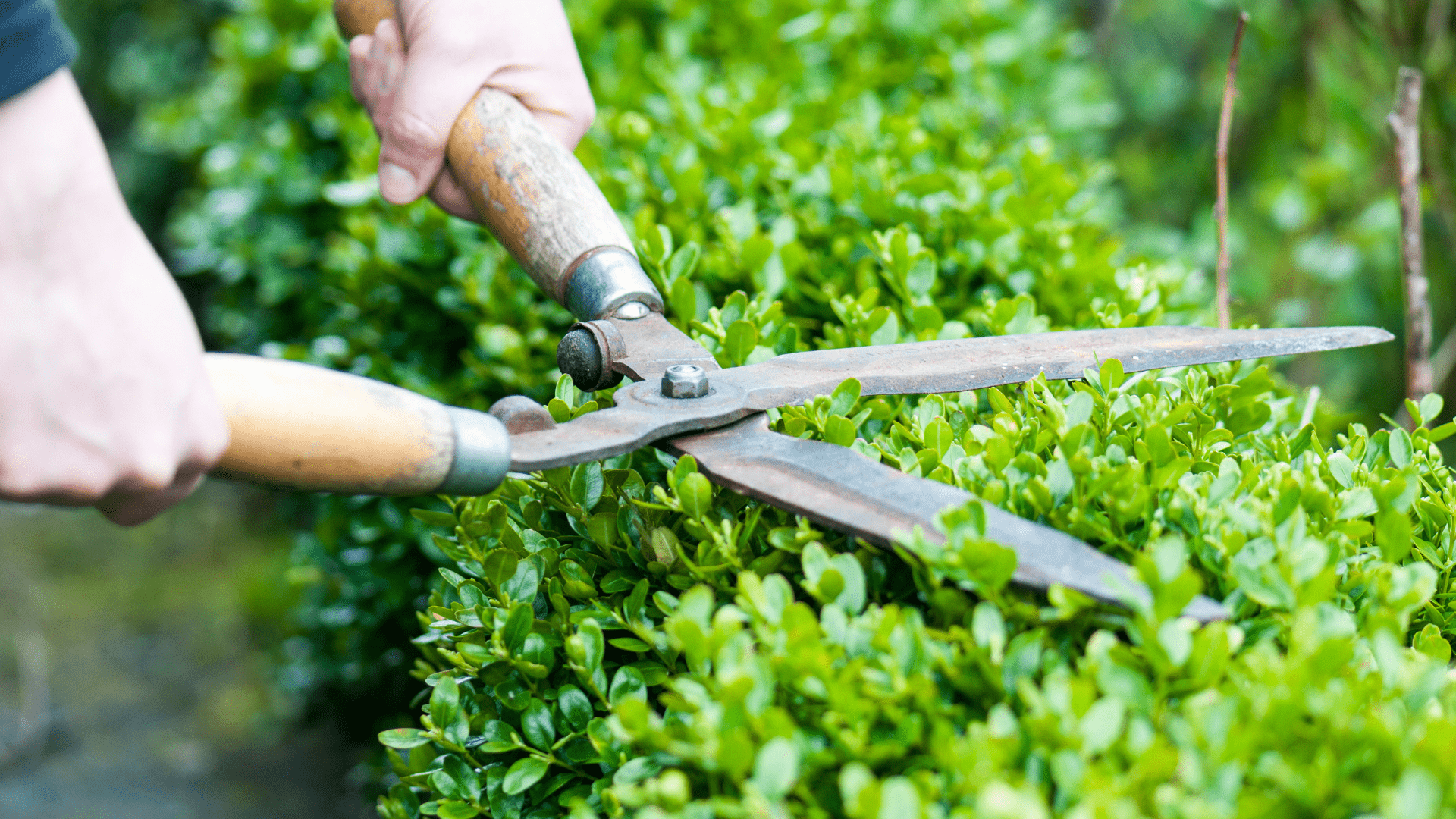
Hedges and shrubs are some of the most important features in any landscape. They add privacy, structure, curb appeal, and greenery—but only if they’re properly maintained. Without regular care, hedges quickly become overgrown, uneven, and unhealthy. That’s why homeowners turn to hedge trimming services to ensure their landscape stays clean, polished, and beautiful throughout the year.
Whether you have privacy hedges, foundation shrubs, or decorative plantings, professional trimming keeps them healthy and perfectly shaped. Here’s what every homeowner should know.
Why Homeowners Choose Professional Hedge Trimming
Regular hedge trimming offers multiple long-term benefits:
✔ Improves Appearance
Creates clean lines and a polished, well-maintained landscape.
✔ Supports Healthy Growth
Encourages fuller, denser, and stronger plant structure.
✔ Prevents Overgrowth
Stops hedges from blocking windows, pathways, and driveways.
✔ Enhances Curb Appeal
Neat hedges make your entire property look more attractive.
✔ Protects Plant Health
Removes dead or diseased branches before they spread.
✔ Increases Privacy
Healthy, dense hedges provide better screening from neighbors.
Proper trimming is essential for plant longevity and aesthetic appeal.
Types of Hedges Commonly Trimmed
Different hedges require different trimming styles and schedules.
✔ Privacy Hedges
Arborvitae, boxwood, holly, laurel, privet, and more.
✔ Foundation Shrubs
Hydrangeas, azaleas, spirea, boxwoods, viburnum.
✔ Ornamental & Flowering Shrubs
Roses, butterfly bushes, weigela, lilacs.
✔ Topiary Shrubs
Shaped hedges requiring detailed precision.
Professionals identify plant type and trim according to proper growth cycles.
How Often Should Hedges Be Trimmed?
The ideal trimming schedule depends on the hedge type:
✔ Fast-Growing Hedges: Every 4–6 weeks
Privet, certain holly varieties, and ligustrum.
✔ Medium-Growth Hedges: 2–3 times a year
Boxwood, arborvitae, yew, euonymus.
✔ Slow-Growing Hedges: 1–2 times a year
Japanese holly, dwarf boxwood, certain ornamental shrubs.
✔ Flowering Shrubs: Trim after blooming
Ensures next year’s blooms aren’t removed.
A correct schedule keeps hedges looking their best and prevents overgrowth.
Signs You Need Hedge Trimming Services
Homeowners typically start searching when they notice:
- Hedges blocking walkways or windows
- Overgrown, misshaped, or uneven shrubs
- Plants growing too tall
- Brown or dead branches appearing
- Thin spots or bald patches
- Hedges touching the house or roof
- A general lack of shape or structure
Professional trimming revives the look and health of your landscape.
Benefits of Professional Hedge Trimming vs. DIY
Hedge trimming may seem simple, but proper technique matters greatly.
Professionals ensure:
✔ Correct cutting techniques
Prevents stress, disease, and uneven growth.
✔ Safe ladder use
Essential when hedges grow tall.
✔ Precision shaping
Achieves clean lines and balanced symmetry.
✔ Correct timing
Trimming at the wrong time can reduce blooms or weaken plants.
✔ Disease identification
Spot issues early before they spread.
✔ Cleanup & debris removal
Leaves your property clean and polished.
DIY trimming often leads to plant damage or uneven results—professionals deliver consistent quality.
Popular Hedge Trimming Styles
Different landscapes call for different looks:
✔ Formal Straight-Edge Trim
Clean, sharp lines—perfect for front yards.
✔ Rounded Natural Trim
Soft, organic shape ideal for foundation shrubs.
✔ Tiered or Layered Hedges
Adds dimension and architectural interest.
✔ Tapered Hedges
Wider at the base for better sunlight exposure.
✔ Topiary Shapes
Spheres, spirals, cones, and custom designs.
Your trimming style should complement your overall landscape design.
What’s Included in Hedge Trimming Services?
Professional hedge trimming typically includes:
- Shaping and contouring
- Height and width reduction
- Deadwood removal
- Light pruning for health
- Cleanup and disposal of clippings
- Inspection of plant health
- Optional mulch or bed refresh
The goal is clean, balanced, and long-lasting beauty.
How Hedge Trimming Supports Landscape Health
Healthy hedges improve your entire yard:
✔ Better air and light flow
Promotes strong internal growth.
✔ Prevention of pests and fungi
Dead or crowded branches attract insects and disease.
✔ Stronger branch structure
Reduces breakage from wind or snow.
✔ Encourages lush, full hedges
Instead of thin or leggy growth.
Trimming is essential maintenance—not just cosmetic.

Ready to Transform Your Backyard?