



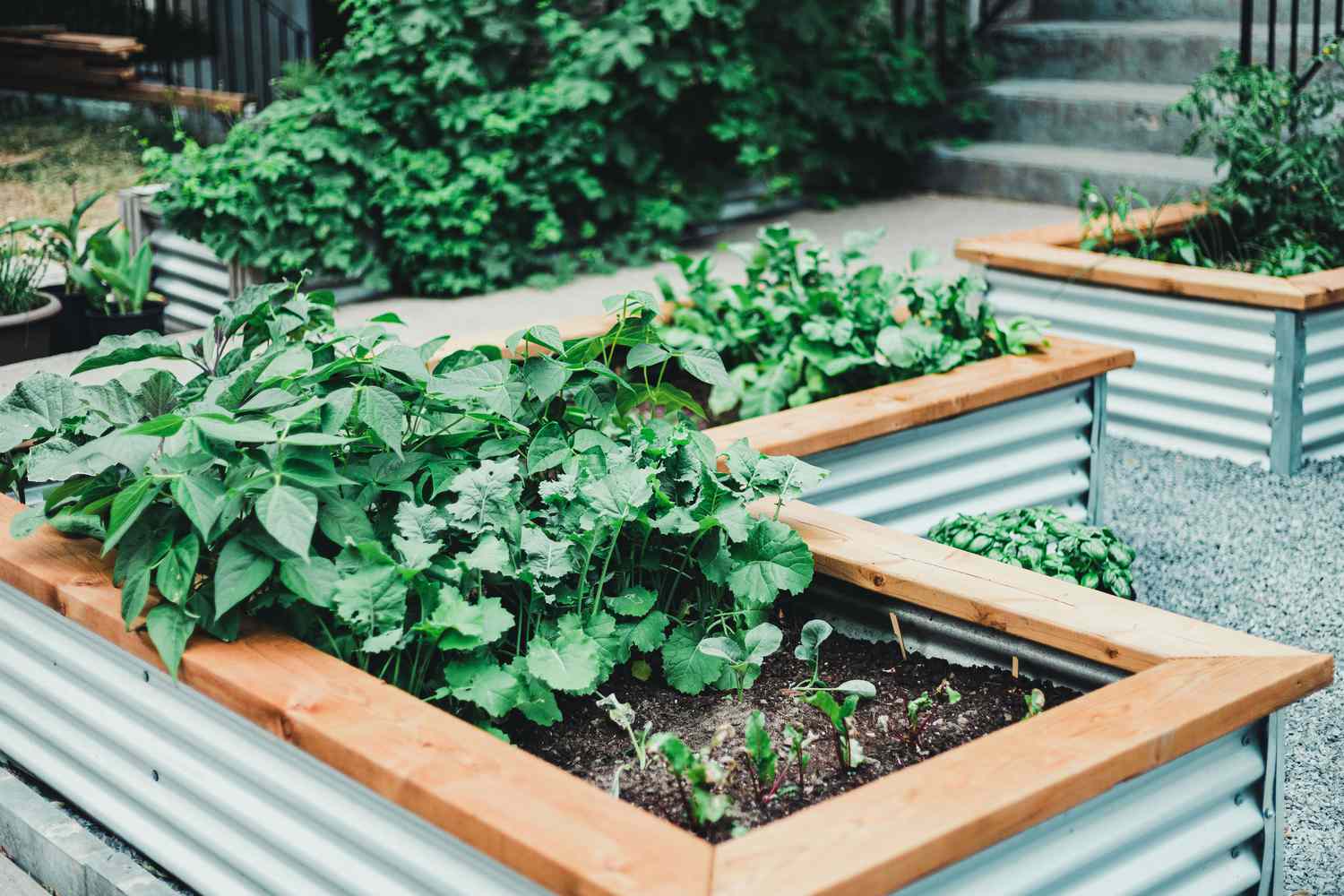
A well-designed garden bed is one of the fastest ways to transform your yard. Beautiful, organized planting beds add instant curb appeal, create structure, and bring seasonal beauty to your home. That’s why so many homeowners search for garden bed installation when redoing their landscaping or looking for fresh ideas to revitalize their property.
From choosing the right plants to designing the perfect layout, professional garden bed installation can turn an ordinary yard into a visually stunning outdoor space. Here’s what you need to know before creating your next garden bed.
Why Homeowners Choose Garden Bed Installation
Garden beds offer significant benefits beyond aesthetics.
✔ Improves Curb Appeal
Fresh landscaping instantly enhances your home’s appearance.
✔ Adds Color & Texture
Flowers, shrubs, and plants create dynamic visual interest.
✔ Organizes Your Landscape
Garden beds define spaces and create structure in the yard.
✔ Supports Plant Health
Proper soil, spacing, and design help plants thrive.
✔ Allows Seasonal Customization
Switch out plants for year-round color and variety.
✔ Complements Outdoor Features
Beautifully ties together patios, walkways, and hardscaping.
Garden bed installation is an affordable and impactful way to upgrade your yard.
Types of Garden Beds Homeowners Love
Different garden bed styles work for different goals and aesthetic preferences.
1. Raised Garden Beds
Great for drainage, modern design, and easier maintenance.
Benefits:
- Prevents soil erosion
- Ideal for planting vegetables or flowers
- Keeps mulch and soil contained
2. In-Ground Garden Beds
Classic and versatile for any landscape.
Benefits:
- Natural look
- Great for shrubs, perennials, and decorative plants
- Works well with curved or freeform shapes
3. Mulched Garden Beds
Beautiful, low-maintenance, and cost-effective.
Benefits:
- Controls weeds
- Retains moisture
- Enhances plant appearance
4. Stone or Edged Garden Beds
Adds structure, contrast, and durability.
Benefits:
- Prevents mulch washout
- Frames plants beautifully
- Complements paver walkways or patios
5. Seasonal Color Beds
Perfect for adding brightness in spring, summer, or fall.
Benefits:
- Eye-catching blooms
- Budget-friendly refresh
- Great for front entrances
Best Plants for Garden Bed Installation
Choosing the right plants ensures long-term success and year-round beauty.
✔ Perennials
Come back every year and require minimal maintenance.
Examples: hostas, coneflowers, daylilies, hydrangeas.
✔ Annuals
Provide vibrant color for a season.
Examples: begonias, petunias, marigolds.
✔ Shrubs
Add structure and shape.
Examples: boxwoods, azaleas, hydrangeas, hollies.
✔ Ornamental Grasses
Great for texture and movement.
Examples: fountain grass, liriope, feather reed grass.
✔ Trees for Focal Points
Create height and anchor the bed.
Examples: Japanese maple, redbud, crepe myrtle.
✔ Groundcover Plants
Fill space and prevent weeds.
Examples: creeping jenny, pachysandra, ajuga.
Professionals help select plants based on sunlight, soil, moisture, and long-term growth patterns.
Garden Bed Design Ideas
A beautiful garden bed is planned intentionally. Popular design ideas include:
✔ Layered Planting Design
Tall plants in back, medium plants in the middle, low plants in front.
✔ Curved Garden Beds
Softens yard edges and adds movement.
✔ Stone Edging or Paver Borders
Creates contrast and prevents soil shifting.
✔ Mixed Texture Beds
Combines shrubs, flowers, and grasses for balance.
✔ Foundation Planting Beds
Frames your home’s entry and architecture.
✔ Garden Beds Around Trees
Adds beauty and protects tree root zones.
✔ Seasonal Flower Beds
Bright, colorful, and perfect for front-yard impact.
Design is key to creating garden beds that look full, balanced, and vibrant all year.
Common Problems Garden Bed Installation Solves
Homeowners often start searching for solutions when they experience:
- Weeds overtaking the yard
- Bland or empty landscaping
- Foundation plants dying
- Mulch washing out
- Overgrown, outdated shrubs
- Patchy areas lacking color
- Lack of structure in the front yard
Garden bed installation solves these issues and refreshes your entire landscape.
Why Professional Garden Bed Installation Matters
The difference between thriving garden beds and struggling ones often comes down to proper installation.
✔ Correct soil preparation
Healthy soil = healthy plants.
✔ Proper plant spacing & placement
Prevents overcrowding and premature plant loss.
✔ Matching plants to sunlight conditions
Ensures long-term survival.
✔ Quality edging & bed shaping
Keeps everything tidy and accessible.
✔ Mulching and weed prevention
Sets the foundation for low maintenance.
✔ Avoiding drainage and root issues
Essential for long-term plant health.
Professionals ensure your garden beds look beautiful today—and for years to come.
What to Expect During Garden Bed Installation
1. Consultation & Design Planning
Plant selection, shapes, sizes, and layout.
2. Bed Preparation
Remove old plants, weeds, and debris.
3. Soil Amendment
Add compost, topsoil, or enriched soil as needed.
4. Plant Installation
Proper placement for healthy growth.
5. Edging & Bed Shaping
Creates clean lines and professional structure.
6. Mulching & Final Touches
Protects plants and completes the look.
The result is a clean, polished, and vibrant garden bed that enhances your entire yard.

Ready to Transform Your Backyard?