



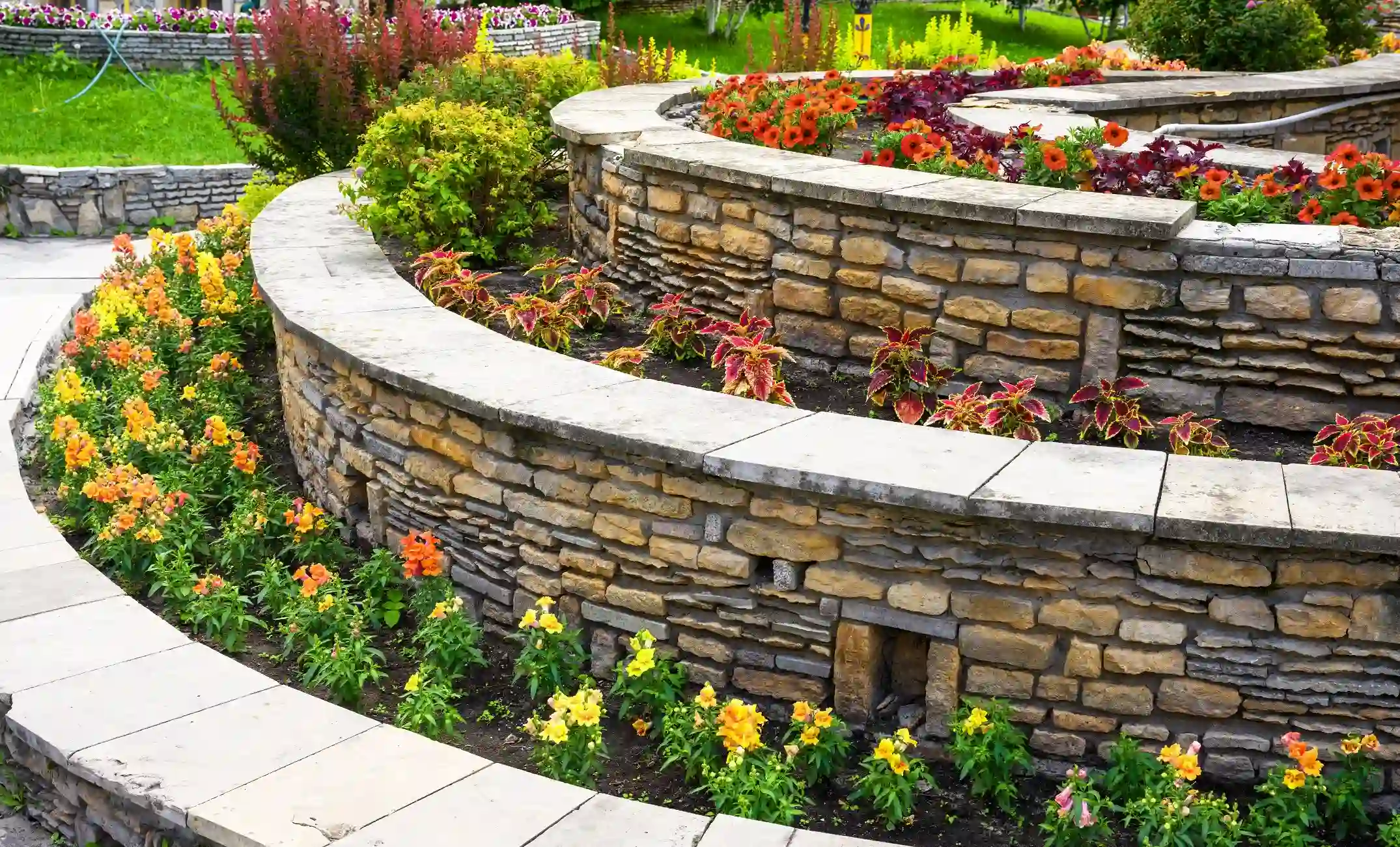
A retaining wall plays a crucial role in protecting your yard from erosion, supporting soil, and maintaining safe, level areas. When a wall begins to lean, crack, or separate, homeowners quickly search for retaining wall repair services to prevent further damage and restore stability. A failing retaining wall isn’t just an eyesore—it can cause serious structural problems if left unaddressed.
Here’s everything homeowners need to know about repairing a retaining wall the right way.
Why Retaining Walls Fail
Understanding the cause is the first step in choosing the right repair solution.
✔ Poor Drainage Behind the Wall
The #1 reason retaining walls fail—hydrostatic pressure pushes the wall outward.
✔ Incorrect Installation
Improper base preparation or lack of reinforcement weakens the structure.
✔ Soil Erosion & Water Runoff
Shifting soil loosens the wall’s stability.
✔ Aging Materials
Wood rots, stone shifts, and old mortar weakens over time.
✔ Freeze-Thaw Cycles
Water expands in cold weather, pushing stones or blocks apart.
✔ Heavy Loads Nearby
Driveways, pools, or slopes can add stress.
Professional evaluation identifies the source and stops the problem from returning.
Signs You Need Retaining Wall Repair Services
Homeowners usually start searching for help when they notice:
- Leaning or bulging wall sections
- Cracks or separating stones/blocks
- Water pooling behind or in front of the wall
- Soil spilling over the top
- Wall shifting or sinking
- Gaps between blocks
- Loose or missing stones
- Rotting wood (for timber walls)
Ignoring these signs often leads to complete wall failure.
Types of Retaining Walls That May Need Repair
Different wall types fail in different ways, each requiring specific solutions.
1. Block Retaining Walls
Cracks, bulging, or shifting blocks are common.
Repairs may include:
- Rebuilding sections
- Adding drainage
- Reinforcing with geogrid
2. Timber Retaining Walls
Wood walls eventually rot or attract insects.
Repairs may include:
- Replacing damaged boards
- Upgrading to masonry or stone
- Reinforcing support posts
3. Natural Stone Walls
Shifting or collapsing stones require structural adjustments.
Repairs may include:
- Resetting stones
- Adding drainage channels
- Excavation and rebuild
4. Concrete Retaining Walls
Vertical cracks or leaning signal structural problems.
Repairs may include:
- Reinforcement
- Crack sealing
- Full or partial rebuild
A trained professional will determine the safest and most cost-effective fix.
Retaining Wall Repair Solutions Homeowners Can Expect
Depending on the damage, professionals may recommend one or more of these solutions:
1. Drainage Corrections
A critical repair for long-term success.
Includes:
- French drains
- Weep holes
- Gravel backfill
- Regrading
2. Wall Reinforcement
Strengthens the wall to prevent future movement.
Includes:
- Geogrid installation
- Tiebacks
- Deadman anchors
3. Partial Rebuild
Damaged sections are taken apart and rebuilt properly.
4. Complete Wall Replacement
Required when damage is too severe or the wall was originally built poorly.
5. Soil Stabilization
Stops erosion and shifting behind the wall.
6. Surface Repairs
Fixes minor wear, cracks, or cosmetic issues.
Your repair plan depends on wall height, material, drainage, and damage severity.
Why Professional Retaining Wall Repair Matters
A failing retaining wall is not a DIY project—improper repairs can worsen the problem. Professional repairs ensure:
✔ Proper Engineering & Load Support
Walls must safely handle the weight of soil, water, and nearby structures.
✔ Long-Term Stability
Proper footings, drainage, and reinforcement prevent future movement.
✔ Safety & Code Compliance
Structural work must meet building standards.
✔ Accurate Diagnosis of Issues
Professionals find the root cause—not just the visible damage.
✔ High-Quality Materials
Ensures the wall lasts another decade or more.
Professional repairs protect your yard, your home, and your investment.
How the Retaining Wall Repair Process Works
Here’s what homeowners can expect:
1. Inspection & Damage Assessment
Determine the structural issues and causes.
2. Customized Repair Plan
Choose the best approach for safety and cost-effectiveness.
3. Excavation & Drainage Work (if needed)
Creates a stable foundation for repairs.
4. Rebuilding or Reinforcing the Wall
Restores strength and alignment.
5. Backfilling & Compaction
Prevents future shifting.
6. Final Finish & Inspection
Ensures the wall looks and performs like new.
A properly repaired retaining wall will be stronger and safer than before.

Ready to Transform Your Backyard?