



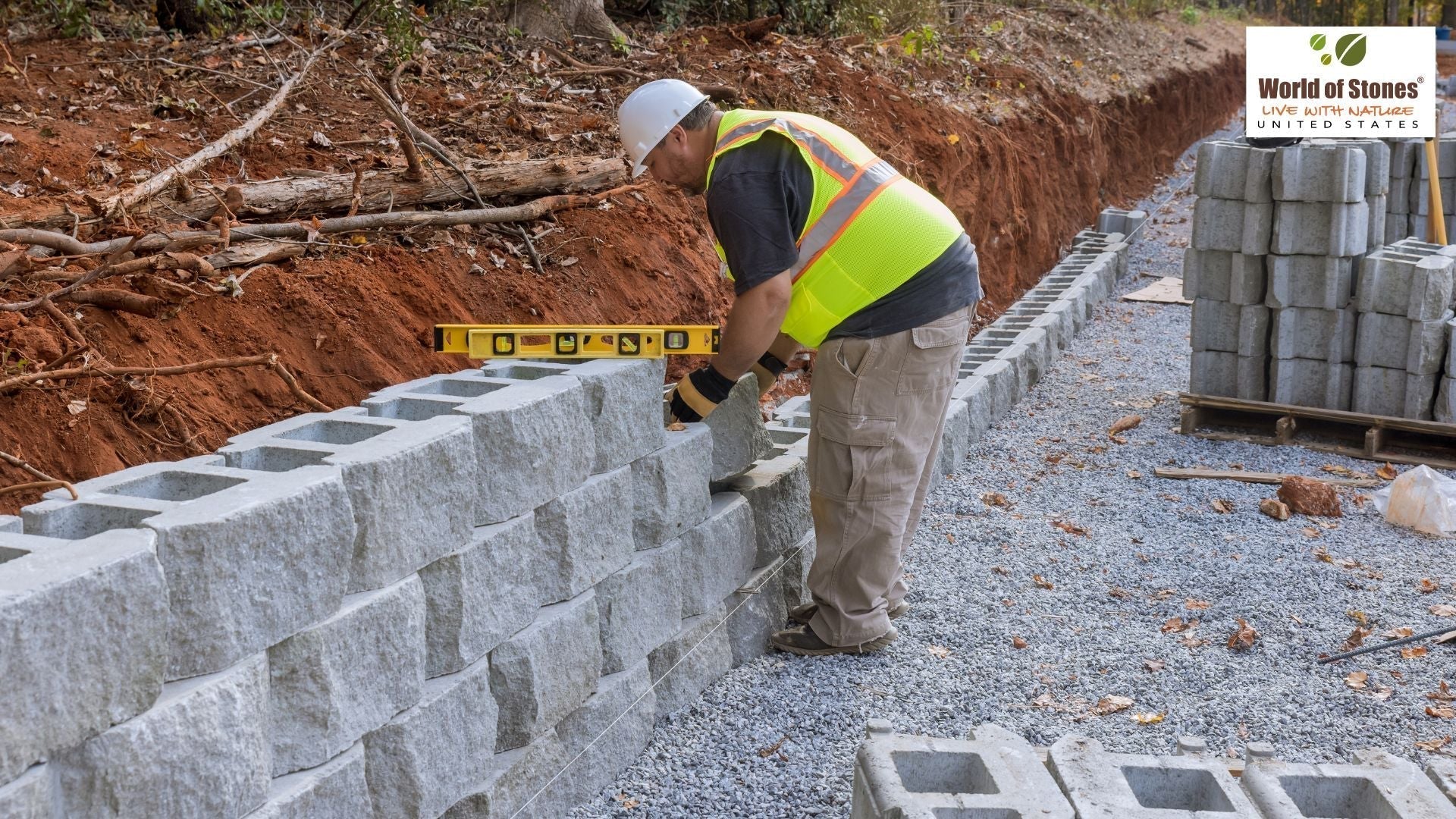
A retaining wall is one of the most important and versatile additions you can make to your yard. Whether it’s preventing erosion, leveling a sloped yard, supporting a raised patio, or adding beautiful hardscape structure, retaining wall installation solves major landscape challenges while enhancing visual appeal.
Homeowners often search for this service when they want stability, safety, and an outdoor space that’s more usable and better designed.
Here’s everything you need to know before installing a retaining wall on your property.
Why Homeowners Choose Retaining Wall Installation
Retaining walls offer both practical and aesthetic benefits.
✔ Provides Structural Support
Prevents soil erosion and keeps your landscape stable.
✔ Levels Sloped Yards
Creates flat, usable spaces for patios, lawns, and outdoor living.
✔ Improves Drainage
Redirects water to prevent pooling and flooding.
✔ Enhances Home Value
A well-built wall adds long-lasting beauty and function.
✔ Adds Visual Architecture
Creates defined layers, terraces, and elevation changes.
✔ Complements Hardscapes
Matches patios, walkways, seating walls, and other masonry features.
A retaining wall is both functional and beautiful—especially when professionally designed.
Best Types of Retaining Walls for Homes
Different wall styles work for different yard layouts and soil conditions.
1. Block Retaining Walls (Most common choice)
Built with engineered concrete blocks designed for strength.
Benefits:
- Durable
- Flexible design options
- Works for small or large walls
- Great for terracing
2. Natural Stone Retaining Walls
Perfect for a premium, timeless landscape look.
Benefits:
- Unique and organic aesthetic
- Strong and long-lasting
- Blends seamlessly with natural landscaping
3. Timber Retaining Walls
Rustic and budget-friendly.
Benefits:
- Ideal for garden beds or low walls
- Warm, natural appearance
4. Boulder Retaining Walls
Best for large, dramatic slopes.
Benefits:
- Extremely durable
- Creates bold, natural structure
- Great for rural or wooded properties
5. Decorative or Segmental Walls
Designed to match patios, edging, or seating walls.
Benefits:
- Smooth, uniform appearance
- Great for front-yard curb appeal
Signs You Need Retaining Wall Installation
Homeowners usually start searching for solutions when they notice:
- Erosion or washed-out soil
- Sloped yards that are hard to use
- Cracks forming in soil or nearby structures
- Standing water pooling in low areas
- Uneven garden beds or sinking soil
- Need for raised patios or tiered landscaping
- Difficulty maintaining sloped areas
A retaining wall installation solves these issues while making your yard more functional.
Retaining Wall Design Ideas for Stunning Landscapes
Retaining walls aren’t just structural—they’re beautiful too.
✔ Terraced Gardens
Multiple walls create elevated planting spaces.
✔ Raised Patio Retaining Walls
Adds height and structure to outdoor living areas.
✔ Curved Retaining Walls
Perfect for soft, natural landscapes.
✔ Integrated Seating Walls
Provides built-in seating for fire pits and patios.
✔ Tiered Retaining Wall Systems
Makes steep slopes usable and visually appealing.
✔ Stone Retaining Walls With Lighting
Enhances nighttime beauty and safety.
✔ Retaining Walls Around Driveways
Improves grading and curb appeal.
Professional design ensures your wall complements the entire landscape.
Why Professional Retaining Wall Installation Is Essential
Retaining walls must be built with careful engineering — a DIY mistake can cause collapse, drainage failure, or property damage.
Professionals ensure:
✔ Proper Footings & Base Preparation
Prevents shifting and settling.
✔ Correct Drainage Systems
French drains or gravel backfill relieve pressure buildup.
✔ Reinforcement & Geogrid Support
Keeps large walls stable and strong.
✔ Safe, Code-Compliant Construction
Especially important for walls over certain heights.
✔ Precision Block or Stone Placement
Ensures clean lines and long-lasting beauty.
A professionally installed wall provides decades of stability and performance.
What to Expect During Retaining Wall Installation
1. Consultation & Site Evaluation
Review slope, soil type, drainage issues, and design goals.
2. Custom Design & Material Selection
Choose wall style, height, shape, and texture.
3. Excavation & Base Preparation
A compacted gravel base ensures structural integrity.
4. Drainage Installation
Relieves hydrostatic pressure behind the wall.
5. Wall Construction
Blocks or stones installed with precision and reinforcement.
6. Backfilling & Final Touches
Secure the wall and refine the surrounding landscape.
The result? A strong, beautiful retaining wall that enhances your entire property.

Ready to Transform Your Backyard?